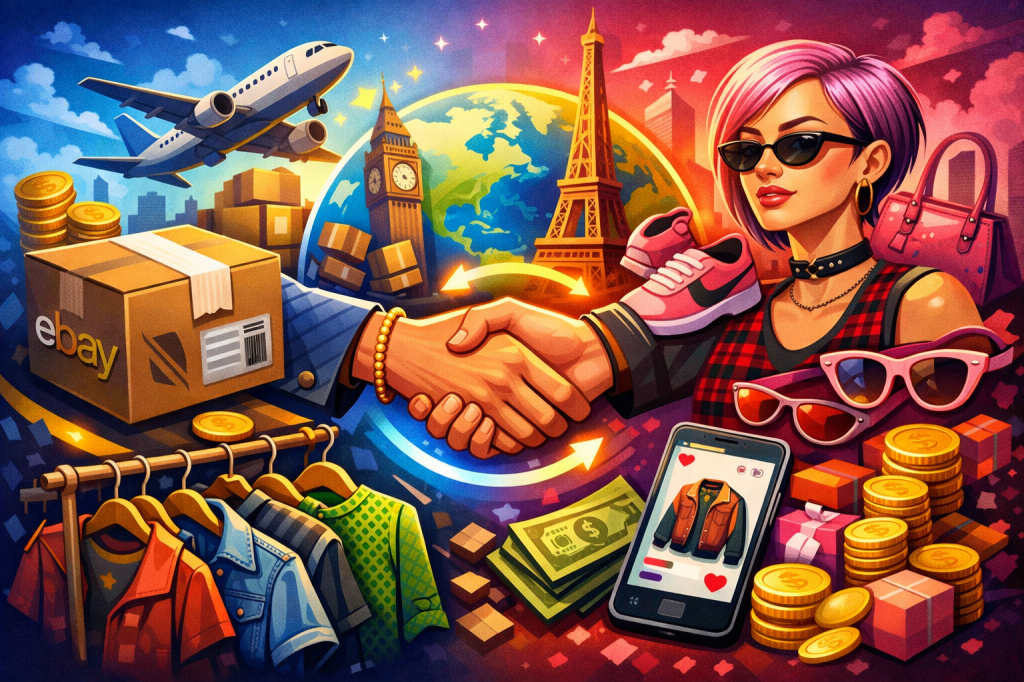
The resale economy just got a major shake-up.
eBay acquiring Depop isn’t just a business move — it’s a signal that secondhand shopping is becoming serious corporate territory. And if you’re a reseller, this could affect your reach, your fees, and your future selling strategy.
Here’s the real story most people aren’t talking about:
This isn’t about making Depop bigger.
It’s about controlling the resale ecosystem.
Let’s break down what’s actually happening.
The Central Thesis: eBay Isn’t Buying Depop — It’s Buying the Future of Reselling
Depop gives eBay access to:
• Gen Z sellers
• social commerce culture
• trend-driven fashion markets
• sustainability-driven buyers
• the next generation of resale inventory
eBay already dominates traditional resale. Now it’s expanding into resale culture.
That’s not expansion.
That’s consolidation.
The goal appears clear: own the supply, own the buyers, own the platform.
1. Depop Was Already Global — eBay Brings the Commerce Machine
Depop already operates internationally. What eBay adds is infrastructure.
eBay provides:
• cross-border logistics systems
• international shipping programs
• structured global buyer traffic
• optimized conversion tools
• deep marketplace data
Depop built global community.
eBay brings global monetization.
This could mean faster international sales, broader visibility, and more structured commerce — especially for fashion and micro-trends.
2. The Resale Economy Is Exploding (And Corporations Want Control)
This acquisition makes more sense when you look at the numbers.
The secondhand market is growing faster than traditional retail.
Key resale growth data:
• Global secondhand apparel market projected to reach $350+ billion by 2028 (ThredUp Resale Report)
• Resale growing 3x faster than traditional retail
• Gen Z drives the majority of secondhand demand
• 40%+ of younger consumers buy secondhand first
• Sustainability concerns accelerating resale adoption
Translation: resale isn’t a niche anymore — it’s a massive global industry.
And big companies don’t ignore trillion-dollar behavior shifts.
They acquire them.
3. The “No Fees” Era May Slowly Disappear
Depop currently markets zero selling fees (though sellers still pay processing and optional boosting fees).
eBay’s model historically relies on:
• final value fees
• promoted listing tiers
• paid visibility
• premium seller tools (stores)
Many sellers expect gradual changes like:
• expanded paid promotion features
• algorithm visibility tied to spend
• monetized listing upgrades
• structured seller tiers
The direction of marketplaces is predictable:
growth → monetization → higher seller costs.
4. Is eBay Building a Resale Monopoly?
This is where things get interesting.
After this move, eBay influences:
• traditional resale markets
• Gen Z fashion resale
• collectibles and vintage
• sneaker authentication markets
• global secondhand commerce
That’s multiple resale audiences under one corporate umbrella.
The risk?
Fewer independent platforms.
Less pricing competition.
Greater platform control.
Marketplace consolidation often leads to higher fees and stronger algorithm control — something resellers have already experienced across multiple platforms.
5. Culture vs Commerce: Can Depop Stay “Cool”?
Depop’s success comes from:
• social marketplace culture
• aesthetic-driven selling
• low-barrier entry
• fashion identity community
eBay operates differently:
• structured policies
• performance metrics
• conversion optimization
• algorithm ranking
When culture meets corporate structure, the platform usually changes.
The big question:
Will Depop stay community-driven or become fully optimized commerce?
6. Pay-to-Play Visibility Could Increase
Across e-commerce, visibility increasingly depends on promotion spend.
Possible future changes:
• stronger boosted listing pressure
• sponsored inventory dominating feeds
• increased competition for organic visibility
• algorithm ranking tied to performance metrics
For full-time sellers, this may mean more strategic selling.
For casual sellers, it could create barriers.
7. Sustainability Messaging Goes Corporate
There is a positive angle.
Both platforms lean heavily into sustainability messaging. Together they could:
• normalize secondhand shopping globally
• expand circular fashion adoption
• increase demand for pre-loved items
• strengthen eco-conscious consumer behavior
For sustainability-focused brands and resale businesses, this could drive massive growth.
Secondhand becomes mainstream retail.
8. The Bigger Trend: Platform Consolidation Is the Future
This acquisition reflects a larger shift:
The resale economy is becoming centralized.
Expect:
• fewer independent resale platforms
• stronger corporate ownership
• integrated selling ecosystems
• increased competition for visibility
The resale gold rush is becoming structured retail.
What This Means for Resellers (The Real Takeaway)
Opportunity:
• more buyers
• stronger infrastructure
• global reach improvements
• resale normalization
Risk:
• higher fees
• platform dependence
• algorithm pressure
• reduced competition between marketplaces
The smartest sellers diversify, build brand identity, and stay adaptable.
Final Thought: The Resale Industry Just Became Big Tech Territory
Reselling started as thrifting culture.
Now it’s corporate strategy.
eBay buying Depop shows that secondhand commerce isn’t just growing — it’s becoming one of the most important sectors in retail.
And the platforms that control it will shape how we sell, price, and shop in the future.

 Premier_Finds
Leave a comment